



What Is Family Law Mediation in North Carolina?
Posted in Mediation
Family law mediation is a structured, private process that allows parties to resolve issues such as property division, child custody, and support outside of court. As a certified Family Financial Mediator in North Carolina, I work with clients and their counsel to find resolution through conversation not confrontation. Mediation is not therapy or arbitration. It is an opportunity for both parties to sit down (often virtually) and shape their own outcome under the guidance of a neutral third party.
In most North Carolina judicial districts, mediation is required before a court will hear a family financial dispute. But even when it’s not mandated, it is strongly encouraged. Mediation offers the opportunity to retain control over your case, reduce legal costs, and avoid the emotional and financial toll of prolonged litigation.
Mediation Is a Voluntary, Structured Process
Although mediation is sometimes court-ordered, participation in a mediated agreement remains voluntary. Each party is free to say yes, no, or “not yet” to any proposed settlement. What the process does require is a good-faith effort to identify common ground and explore mutually acceptable outcomes.
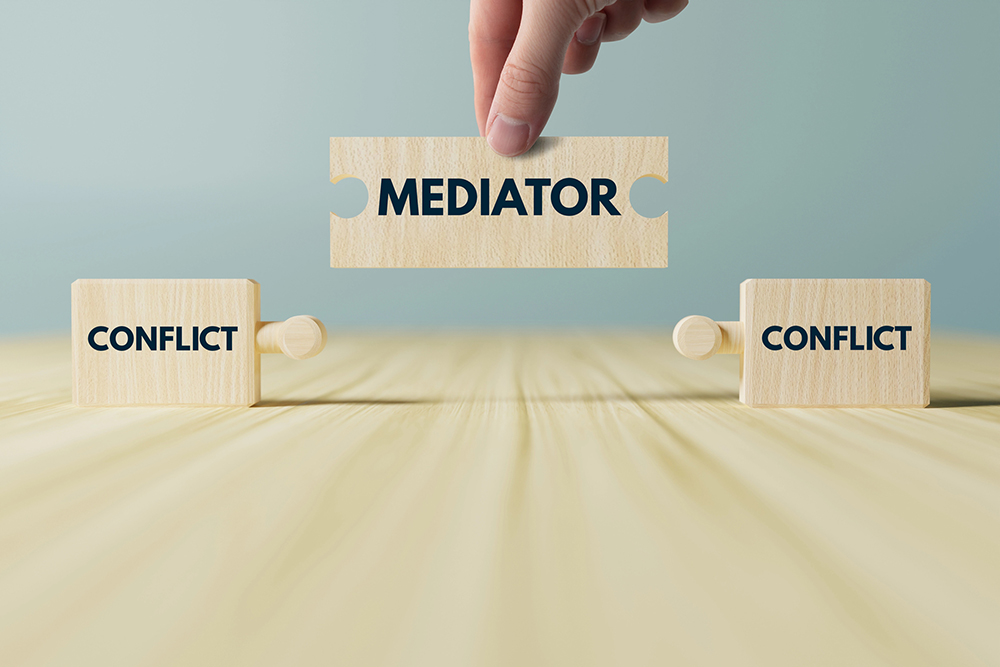
As a mediator, my role is not to advocate for either party, but to guide both through a respectful process of issue identification, option development, and structured negotiation. I maintain neutrality while helping parties remain focused on solutions, not arguments.
In North Carolina, family financial mediation typically involves the division of marital assets and debts, spousal support, and sometimes attorney fees. Custody and child support are often resolved separately, but may be addressed simultaneously if parties agree to do so.
What Makes Mediation Work?
The success of mediation depends on several factors: preparation, willingness to listen, access to good information, and the ability to move past positional thinking. A skilled mediator helps create an environment where each party feels heard but also where they are expected to be realistic about outcomes.
Mediation also works because it’s confidential. With rare exceptions, what’s said in mediation cannot be used in court. This allows parties to speak freely, explore creative options, and negotiate without fear of harming their case if no agreement is reached.
What Mediation Is Not
Mediation is not a shortcut or a sign of weakness. It does not require parties to “meet in the middle,” nor does it automatically favor the more assertive party. Done well, mediation levels the playing field. Attorneys are present (or consulted), financial information is exchanged, and the process is designed to support equitable outcomes, not coerced compromise.
It’s also not therapy. While emotions are acknowledged and respected, the goal of mediation is resolution. The conversation is future-focused and solution-driven.
Why Choose Mediation?
Mediation is not just about avoiding trial, it’s about creating a better process for people. Most clients feel more satisfied with outcomes they helped create. Agreements reached in mediation are more likely to be honored, more flexible to real-world needs, and less expensive to implement and modify than court orders.
Whether your divorce is complex or cooperative, mediation can be the most effective way to move forward. As a family law mediator, I help parties clarify their priorities, understand their options, and reach durable, enforceable agreements.
Mediation Services at GHMA|LAW
Whether you’re here at the suggestion of your attorney or independently seeking to understand how family law mediation works, the resources on our website are designed to provide clarity, not confusion. At GHMA | LAW, our certified Family Financial Mediators work with parties who are represented by counsel to resolve divorce-related disputes through structured, confidential negotiation.
While our mediators do not typically conduct sessions where one or both parties are unrepresented, we recognize that many individuals research mediation as a potential alternative to litigation. These resources are here to help you better understand how mediated agreements are reached. When divorcing individuals are prepared and supported by legal counsel, mediation often provides a more focused, respectful, and less adversarial path forward.
As Board Certified Specialists in Family Law and Certified Family Financial Mediators, we provide not only dispute resolution but also clarity, structure, and an environment that honors the emotional weight of this transition. We offer these materials to help you understand the mediation process from both a practical and human perspective. If you have additional questions, we encourage you to speak with your attorney or reach out to us for more information.
Key Takeaways
- Family law mediation is a structured, confidential process led by a neutral third party.
- It offers parties the chance to resolve disputes outside of court — often more efficiently and cost-effectively.
- Mediation empowers clients to shape their own outcomes and avoid litigation risks.
- In North Carolina, mediation is required in most family financial cases.
- A trained mediator helps guide the conversation without advocating for either side.
This article is for information purposes only and is not to be considered or substituted as legal advice. The information in this article is based on North Carolina state laws in effect at the time of posting.
